As supply chain ESG expectations intensify, organizations are discovering that continuous improvement and independent validation aren’t just compliance measures, they’re catalysts for operational excellence and customer trust.
Sustainability becomes the new standard
Sustainability has evolved from a corporate aspiration to a defining measure of competitiveness. Across sectors, especially in energy and heavy engineering, companies now expect their suppliers to demonstrate verifiable ESG performance.
Transparency isn’t a trend. It’s the new threshold for participation in global supply networks.
Independent verification as a benchmark
Third-party ESG assessments have become a cornerstone of supply chain credibility. Frameworks evaluate environmental stewardship, labor practices, ethics, and data security, core areas that shape procurement decisions.
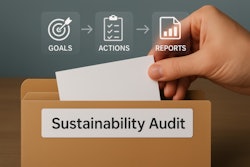
These programs don’t just score performance; they provide corrective action plans that guide measurable progress. The most advanced organizations use them as feedback systems, not finish lines, creating a culture of continuous improvement and accountability.
From policy to practice
Embedding ESG principles means going beyond policy statements. Leaders are moving toward measurable action: monitoring workplace inclusion, auditing data protection, and investing in health, safety, and environmental training that empowers teams to manage risk.
When compliance evolves into capability, sustainability becomes part of daily decision-making and not a separate initiative.
Extending responsibility across the chain
Sustainability doesn’t stop at a company’s own operations. Forward-thinking organizations are engaging suppliers on safety, waste management, and ethical sourcing, even when not required by certification frameworks.
This proactive approach strengthens resilience, fosters collaboration, and prepares the broader ecosystem for rising ESG expectations. In effect, it builds a supply chain that mirrors shared values, not just shared contracts.
The business case for ESG maturity
Data continues to validate the business value of responsible operations.
According to PwC’s 2024 Global Supply Chain ESG Survey, 79% of investors factor ESG risk into supply chain decisions. The World Economic Forum reports that companies with advanced ESG practices realize up to 20% lower supply chain costs, driven by efficiency and risk reduction.
Trust, efficiency, and resilience are now inseparable. In high-stakes environments, customers demand partners who protect people, data, and the planet; not just profitability.
Turning commitments into action
The next era of supply chain leadership will be defined by evidence, not intent. Independent validation, continuous learning, and real-world implementation of welfare and environmental improvements are what transform ESG from a compliance exercise into a competitive edge.
Continuous improvement isn’t about checking boxes. It’s about building a foundation of credibility that strengthens operations, attracts investment, and earns enduring customer confidence.