Today’s travelers are scanning a hotel’s sustainability story before they ever check the minibar, turning procurement into one of hospitality’s most powerful levers for change.
From the carbon footprint of the food served to the recyclability of amenity packaging, what you buy, who you buy from, and how you buy it now defines both the environmental and social impact of the brand.
For hotel procurement leaders, that’s both a challenge and an opportunity. A full rebuild of supply chain from scratch is not necessary to move the needle.
Hotel procurement teams already manage complex, extensive supply chains under constant uncertainty. Geopolitical turmoil, climate‑driven events, inflation, price spikes, and tightening regulations are all testing the ability to absorb shocks and keep supply flowing, pushing resilience to the top of the agenda.
In this environment, sustainability can feel optional. The instinct may be to harden the supply chain now and treat sustainability as a nice‑to‑have instead of a need‑to‑have. That mindset leaves value on the table. When companies build sustainability and responsible sourcing into the core of their supply chains, they turn that focus into a catalyst for resilience, using sustainability goals as a benchmark for disruption readiness, not an add‑on.
Here are four high‑impact areas hotel procurement leaders can cut waste, lower long‑term costs, strengthen resilience, meet rising ESG expectations, and elevate the guest experience.
1. Understand where you are
The first question to ask is a rather direct one: Where are you in your sustainability journey, and what does progress look like from here? The objective is to create actionable next steps that not only align with goals but enable coordinated execution across the organization. Different companies will be at different stages, but everyone should be thinking about a clear go-forward plan.
You might be part of an organization where targets, metrics and supplier inclusion are table stakes. You could be at an organization that is just starting out and needs to organize the building blocks of a sustainability program. Or you may be in an organization where sustainability is not yet on the radar. In any case, recognizing that sustainability can be a driver of innovation and supply chain continuity, not just a compliance obligation, is essential.
An important early consideration is the breadth and depth of a supplier networking and product portfolio. Diversifying the number and size of suppliers, manufacturers, and available products and programs can strengthen supply chain resilience while opening doors to more sustainable partners. Determine where responsible sourcing fits into your company's overall strategy and goals, including your brand and your larger story .
2. Focus on priorities that deliver real impacts
For many hotel companies, the challenge is not setting goals from scratch. Many have established sustainability goals over the last five to ten years and have worked to implement processes and procedures that align those goals with day-to-day workstreams. Instead, the priority is strengthening the claims associated with those goals, so it does not appear that you are meeting metrics for their own sake.
Stakeholders increasingly expect clarity on how sustainability commitments translate into real-world impact. It is no longer sufficient to simply state that you are sourcing responsibly or reducing environmental impact; organizations must be able to quantify those claims and connect them to outcomes. That means aligning internal processes, data structures, and reporting so that external messaging accurately reflects operational realities.
Partnering with suppliers and third-party procurement professionals who understand what true sustainability impact looks like at the ground level, including products, services and supply chains, can help hotel professionals better gauge where they are making measurable progress.
This begins with being as transparent as possible in the way certifications, standards, and quality assurances are reported and verified. When suppliers can clearly document how their offerings meet environmental or social criteria, procurement teams are better equipped to avoid greenwashing and prioritize initiatives that create meaningful value.
3. Incorporate technology into current and future sustainable practices
A critical area of consideration is how artificial intelligence (AI) and improved technology will reshape the way sustainability aligns with broader company goals and planning. Sustainability tracking and reporting are increasingly integrated into procurement processes within leading organizations, and AI is already driving major efficiency gains.
New tools that give hospitality professionals a dynamic view of supplier networks and product line cards are significantly improving efficiency and time-to-market. In the past, procurement teams had to manually sift through individual supplier reports to find actionable insights, a process that was slow and resource intensive.
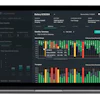
By integrating AI into data aggregation, hospitality supply chain leaders can access relevant information in a fraction of the time. Interactive, dynamic dashboards make insights more accessible and adaptable as goals evolve. Rather than changing the underlying data, AI is transforming how teams' access, interpret and act, helping procurement professionals more clearly see how sustainability performance connects to business decisions.
Looking ahead, capabilities such as inclusivity reports, sustainable supplier and carbon emissions reports available through self-service dashboards will further enhance responsible sourcing transparency and impact. Suppliers will also gain value by seeing how hotels use these tools to validate spend based on certification criteria, sustainability attributes, and diversity classifications.
4. Use reporting as an opportunity, not a chore
Expectations around sustainability reporting can vary significantly based on the regions and countries in which your hotels operate. Legislation, along with consumer preferences, influences what is expected of businesses, and those expectations are constantly evolving. Many companies view this shifting landscape as a daunting, even stifling, environment that may not seem worth the perceived risk or capital expenditure to navigate.
However, challenges also present opportunities. Companies willing to work through the complications of sustainability requirements and use them as a jumping-off point for establishing greater efficiencies will have a clear competitive advantage. Efforts to comply with new expectations can surface data gaps, supplier risks or process inefficiencies that, once addressed, improve both sustainability performance and operational resilience.
Partnering with a third-party procurement or service provider can greatly improve how a hospitality organization manages its supply process. With global visibility, these partners apply best practices across regions and help clients anticipate new legislative and cultural expectations, drawing on experience with hospitality companies at every stage of their sustainability journey.
The future of sustainable hospitality
Sustainability is fast becoming a core driver of hospitality’s future. It gives supply chain leaders a powerful lens to reassess how resilient and effective their procurement practices really are. By knowing where they are on the sustainability journey, leading with impact in mind, treating legislation as a catalyst rather than a constraint, and using technology to streamline and enhance processes, hospitality leaders can unlock wins for both the environment and the business.
The result is a more welcoming, inclusive guest experience that reflects trust in the brand and an intentional commitment to advancing sustainability in the hospitality industry.