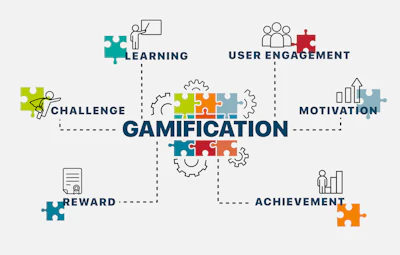
By 2028, 40% of large warehouse operations and distribution centers will have deployed employee engagement and gamification tools to motivate their workforces, according to Gartner, Inc.
“Employee retention is becoming increasingly crucial in the current climate, where labor shortages are one of the toughest challenges companies face,” says Federica Stufano, senior principal analyst in Gartner’s Supply Chain practice. “Employees—especially those from younger generations—want meaningful work experiences and opportunities to succeed. Gamification helps organizations deliver those experiences by combining engagement, skill-building and recognition in a practical way.”
Key takeaways:
· Gamification in logistics applies game design principles (such as points, badges, leaderboards, and rewards) to operational processes to improve performance and enhance employee engagement.
· Gartner research shows that gamified simulations and interactive quizzes make learning more memorable, reducing time to competency for new or seasonal staff. Progress-tracking dashboards provide employees with visibility into their development, building confidence and encouraging continuous improvement.
· Introducing gamification to the workforce requires careful consideration and will present additional feasibility challenges in highly regulated or unionized environments.
“The most important consideration in introducing gamification is cultural and not technological,” Stufano says. “Gamification works when companies stop viewing labor as a fungible commodity and instead recognize employees as valuable assets. Legal, compliance and change management efforts must also be aligned to ensure a successful gamification strategy that motivates, rather than annoys or harms, workers.”