Effective lift truck operator safety requires three complementary layers working together: initial training to establish competency and expectations, supervisor reinforcement through coaching and observation, and technology-enabled feedback systems that provide real-time alerts and visibility into operator behavior.
- Layer 1 - Training: Establishes expected operating practices and provides operators with essential knowledge and proficiency for safe warehouse work.
- Layer 2 - Supervisor Reinforcement: Supervisors observe daily practices, model desired behaviors, and provide coaching to help operators consistently apply training in real-world situations.
- Layer 3 - Connected Technology: Forklift telematics systems capture operator behavior data, issue real-time alerts, and give supervisors visibility into events they cannot personally witness.
- System Integration: These three elements work best as an integrated system with periodic review to identify where additional attention is needed and ensure each layer complements the others.
- Technology Limitations: Connected systems are not substitutes for training or supervision alone; they strengthen the system by providing timely feedback and additional visibility to supervisors.
Consistent lift truck operation depends on more than any single intervention. Training not only provides operators with the information and skills needed to perform their work, but also establishes the employer’s expectations. Supervisors manage their teams and provide coaching. Connected technologies can provide additional feedback and visibility. The challenge is understanding how those elements can work together without asking any one of them to do a job it wasn’t designed to do.
Ideally, three elements work together to make this possible:
1. Training to achieve competency and establish expected operating practices
2. Personalized reinforcement from supervisors, which encourages operators to follow those expectations in everyday practice and uphold work rules
3. Technology-enabled training reinforcement to provide timely operator feedback and give supervisors greater visibility into events they may not be able to witness firsthand
These elements work best as a system, with periodic review showing where additional attention may be needed. Each plays a different and complementary role.
Layer 1: Training
Operator training is the essential starting point for both warehouse safety and compliance.
It establishes expected operating practices while providing operators with the knowledge and proficiency they need to perform their work.
Training sets expectations for operator performance, while ongoing observation, coaching and accountability can help operators consistently work toward them. Supervisors can play a critical role in that reinforcement.
Layer 2: Supervisor reinforcement
The supervisor’s role is to help operators consistently apply what they’ve learned in training. They accomplish this by observing day-to-day operating practices and modeling the behaviors they expect from operators.
Effective coaching involves more than correcting mistakes or identifying when refresher training may be appropriate. Reinforcement also involves helping operators understand what’s expected and recognizing them when they’re doing it right. Positive reinforcement can encourage operators to repeat desired behaviors while providing an example for others to follow.
That said, today’s warehouse supervisors wear many hats, and direct observation alone may not provide visibility into every operating event, especially in large or multi-shift operations. An effective reinforcement strategy can provide additional insight to support observation, coaching and follow-up.
Layer 3: Connected technology
Operations using forklift telematics systems, whether in response to safety concerns or for other reasons, can benefit from that connectivity by capturing data associated with operator behavior and issuing alerts to supervisors as well as the operator when certain events occur.
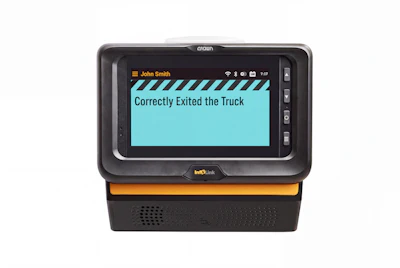
Connected systems and display-based dynamic coaching tools can provide practical operator feedback in some situations while helping supervisors identify events that may warrant further investigation or coaching. For example, connectivity enables supervisors to receive impact notifications so they can immediately follow up and provide operator feedback. System displays can also provide safety reminders during startup and real-time coaching alerts based on lift truck operation.
A key advantage of technology-enabled reinforcement is timeliness. Rather than waiting until a supervisor observes the behavior, an operator can receive feedback as it occurs.
On the other side of the reinforcement loop, event information can make supervisors aware of situations they didn’t personally witness, including when and where they occurred. That information can help direct follow-up observation, investigation, coaching or decisions about whether additional training is appropriate. Data can identify where attention may be needed, but a supervisor still needs context to determine what actually happened and how to respond.
Operator assist technologies provide another way to reinforce training through real-time feedback and automated responses to conditions around the lift truck. For example, sensors may detect an object in the expected path, alert the operator, reduce travel speed or both. The operator remains responsible for recognizing the situation and taking appropriate corrective action.
None of these systems are substitutes for training or supervision in and of themselves. They can provide supervisors with additional visibility into their areas of responsibility. Some have said that these systems are almost like having “another set of eyes” out on the warehouse floor.
Technology can strengthen the system
Before introducing a new technology, managers should evaluate how it fits within the application, how operators will interact with it and what limitations may affect its performance. That includes considering how operators may use it in practice, when alerts or feedback should occur, and whether the system could create distraction or add to cognitive workload. Managers should also determine whether introducing the technology will require changes to operating policies or to the way supervisors and operators are expected to respond.
The questions managers ask and the information they gather during the evaluation process will help define any adjustments they may need to make to the training program, policies or processes. In addition to the operators who will use the technology, other employees who will work around it may need training. Supervisor response protocols may also need to be aligned to ensure operators receive appropriate and consistent feedback.
Evaluate the system in the actual application by observing work before and after introduction. This will help managers determine whether interactions occur as anticipated and identify unintended consequences.
Periodic review helps determine whether the investment is actually supporting the intended outcome. A poorly implemented technology can create additional training requirements, process changes or complexity without delivering equivalent operational value.
Review and adjust
The right approach will vary by operation, equipment and the work being performed. Managers first need to understand where reinforcement is needed and what is contributing to the issue. In some cases, the answer may lie in the equipment or work environment. In others, supervisors may need to step in, or technology may be able to provide useful feedback and visibility. Periodic review can help determine whether the approach is working as intended.
No single element can do everything. Effective operator reinforcement comes from choosing the right layers for the job and making sure they work together.