Most warehouse managers know their material handling costs are too high. They sense inefficiencies in their fleet operations. They just can't pinpoint where the money goes or why repair invoices keep climbing. In practice, effective forklift fleet management is often missing.
The root cause isn't complicated: they're managing blind. Without visibility into fleet performance and basic forklift fleet management discipline, procurement becomes reactive, costs become unpredictable, and every equipment decision feels like a gamble.
Across thousands of warehouses, the pattern is clear. Organizations that gain control of their fleet data operate fundamentally differently than those flying blind. The gap isn't about budget or equipment quality. It's about process.
From Europe to the United States to Central America, all lies the same issues for under performers and winning habits for high performers.
Summary
Material handling costs balloon when fleets are managed without asset-level visibility, leading to reactive, unpredictable spending. High performers build a master fleet list, track cost-per-hour with clear thresholds, plan annual bundled procurement cycles, and deploy telematics to guide five- to six-year replacements. This data-driven approach replaces firefighting with proactive planning, cutting total costs by 10-35%, improving uptime, and stabilizing budgets. It works when dedicated ownership and semi-annual reviews keep utilization, costs, and replacement timing aligned. Coordinating forklift financing with planned replacements can further stabilize cash flow.
The visibility gap
The typical material handling operation lacks basic fleet oversight. I've seen it repeatedly during site assessments: spreadsheets from five different manufacturers, several different leasing companies, and internal tracking in separate systems. Nobody has consolidated the information. Costs get buried in production cost centers alongside cleaning services, facility electricity, and general maintenance. When a repair invoice arrives, it gets paid and booked somewhere on general cost centers. No one questions whether the cost was avoidable or if the equipment should have been replaced years ago.
Take a logistics facility in New York, for example, that has 32 forklifts, according to the operations manager. However a thorough walkthrough of the facilities found 45 forklifts. This wasn't a multi-site operation spanning hundreds of units. This was a single warehouse where the fleet count was off by 40%.
The problem compounds across multiple locations. Companies simply don't know what equipment they have, where it sits, or what it actually costs to operate. I regularly ask procurement teams: "Do you know what your costs are per forklift?" The answer is almost always the same: "No, we just pay the invoices when they come in."
This lack of transparency isn't accidental. Equipment manufacturers and service providers profit when customers can't track costs at the asset level. Without data, there's no leverage to negotiate better service rates or question whether a 10-year-old truck should still be in operation.
Building the foundation
High-performing operations take a different approach. They start with visibility, then build management practices around accurate data.
The master fleet list serves as the cornerstone. Every asset gets documented: manufacturer, model, manufacturing year, current operating hours, and planned annual utilization. This isn't aspirational. It's a requirement for managing equipment strategically rather than reactively. This becomes your forklift fleet management playbook.
With this foundation, planning becomes straightforward. A forklift currently at 16,000 operating hours that runs 2,000 hours annually will hit a 20,000-hour replacement target in two years. You can budget accordingly. You can plan procurement cycles. You can avoid emergency orders at premium pricing.
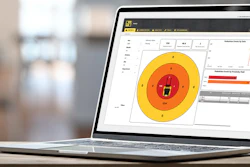
Cost-per-hour discipline separates strategic operators from reactive ones. Take total annual cost for an asset and divide by annual hours operated. The resulting metric tells you immediately whether equipment is performing within acceptable ranges.
This requires setting thresholds by asset type. A diesel forklift costs more per hour than an electric model. A truck operating in a foundry runs 20-30% higher costs than the same model in a clean warehouse. The key is establishing green, yellow, and red zones for your specific operation and setting limits based on industry standards and benchmarks.
When a unit hits yellow, you monitor closely. When it hits red, you trigger replacement decisions based on data rather than waiting for a breakdown that halts production.
Strategic procurement cycles replace constant firefighting. In September, high performing operations review which equipment expires or hits replacement targets in the upcoming year across all sites and bundle demands. In October, they run competitive bids with consolidated volume for negotiating leverage. By November, they place orders with locked-in pricing. They also align forklift financing or lease renewals to the same calendar to lock in rates, avoiding annual price increases, and single ad hoc deals at a higher price tag.
The rest of the year focuses on execution rather than scrambling for quotes every time a department needs equipment. Purchasing workload drops dramatically. Pricing improves with volume commitments.
One client had departments calling monthly: "We need two more forklifts on the west side." The next month, a different site: "Can we get three units next week?" Procurement spent half their time processing small equipment orders at whatever pricing manufacturers offered.
After implementing annual planning cycles, they reduced procurement touches by 75% while improving pricing by 12% through consolidated negotiations.
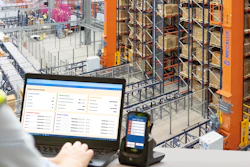
Technology deployment becomes standard practice, not an upgrade. Telematics on every unit provides utilization data that informs replacement decisions. Hour meter readings sync automatically rather than requiring manual collection during site walks.
Younger fleet averages reduce fuel consumption, energy costs, repair frequency and overall costs. The math is clear: years eight through ten of equipment life drive disproportionate repair costs. Parts aren't getting cheaper and at some point - no longer available. Labor rates increase annually. A truck that seemed fine at year seven becomes a cost liability by year nine. Aging technology increases downtime, creating higher risk and costs for production and intralogistics operations.
High performing operations target five to six-year replacement cycles. They cut off risk and the expensive tail before it impacts operations.
The operational shift
This approach fundamentally changes how forklift fleet management is executed. Monthly crisis ordering transforms into annual planning. "What did this cost?" becomes "What should this cost?" Equipment runs to strategic refresh points rather than complete failure.
Results are measurable. Total cost reductions typically range from 10-35% depending on how far from optimal the starting point was. Operations with severely aged fleets and no procurement strategy see the high end. Well-run operations with some gaps see incremental improvements.
Beyond cost savings, the operational benefits compound. Procurement workload drops when you're not constantly sourcing emergency replacements. Uptime improves with younger average fleet age. Budgeting becomes predictable when you know replacement timing years in advance.
The patterns aren't rocket science. Small fleets need one person dedicated to fleet oversight. Large, multi-site operations need a small team. The investment pays for itself quickly when you're no longer paying premium pricing for reactive procurement.
Semi-annual reviews keep the strategy on track. You check actual utilization against projections, adjust replacement timing if usage patterns changed, and verify costs remain within expected ranges. These check-ins beat constant firefighting.
Your material handling fleet is either managed through data and sensible forklift financing, or it's managing you through crisis. The organizations that choose the former operate with lower costs, higher predictability, and fewer surprises. The data exists in your operation today. The question is whether you're using it to make decisions or just paying invoices as they arrive.