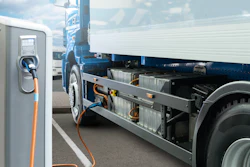
Supply chain growth is increasingly being constrained by energy availability, according to Gartner, Inc.
As electricity demand rises, and energy infrastructure faces mounting capacity and reliability challenges, organizations may encounter higher operating costs, delays in expansion plans and obstacles to electrification initiatives.
“Many supply chains continue to operate under the assumption that energy is an always-available input,” says Marta Muñoz, senior director analyst in Gartner's Supply Chain practice. “That assumption is becoming increasingly difficult to sustain. Energy availability is emerging as a factor that can influence where organizations operate, how they expand, and whether they can execute automation and electrification strategies as planned.”
Key takeaways:
· Gartner predicts that by 2029, most manufacturers without advanced energy management capabilities will experience 20-30% higher costs due to price and supply volatility, network congestion, and capacity constraints.
· Energy constraints are no longer confined to procurement cost considerations. Rising electricity demand from industrial electrification, AI-enabled data centers and fleet transitions are colliding with aging infrastructure, transmission bottlenecks and lengthy interconnection processes.
· Energy constraints can affect supply chain operations in several ways such as grid outages, capacity shortages, interconnection delays, energy price volatility, expansion constraints, electrification delays and supplier disruptions.