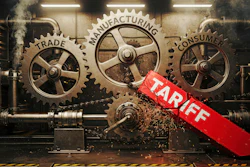
Worldwide purchases of raw materials, commodities and critical components rose at the fastest pace in almost four years, according to GEP Global Supply Chain Volatility Index. In fact, underlying data suggest the upturn was broad-based across sectors, with procurement activity rising in both capital-intensive and consumer-facing industries, pointing to a cyclical upswing prior to the war in the Middle East.
“The war with Iran is already creating an oil supply shock that will disrupt global supply chains,” says John Piatek, VP, consulting at GEP. “Companies need to assess their exposure to energy, petrochemical and shipping costs now, while U.S. manufacturers should also move quickly to proactively secure price reductions from suppliers following the Supreme Court’s tariff ruling.”
Key takeaways:
· Asia was the key driving force behind a resurgence in global factory demand. China, Japan, India, South Korea and Taiwan reported strong rates of purchasing growth among key markets, leading Asia’s supply networks to record their busiest month in 3.5 years.
· North America, on the other hand, saw a weaker trend in factory purchasing in February, reflecting a loss of momentum in the U.S. manufacturing economy.
· Canadian goods producers, by comparison, lifted their purchases of raw materials and intermediate products for the first time in more than a year.
· Meanwhile, Europe’s industrial recovery continued to progress as the manufacturing sector of the continent’s largest economy, Germany, gathered momentum.
· The rise in procurement activity across Europe has led to the emergence of bottlenecks, with supply capacity becoming slightly stretched. A similar story was recorded for the UK in February.
· Global demand for raw materials, commodities and intermediate products rose substantially in February to its strongest level since March 2022. Asia was a key factor behind this resurgence, with stronger growth in factory purchasing seen in key manufacturing economies across the region such as China, Japan, India, South Korea and Taiwan.
· Global reports of manufacturers stockpiling materials due to concerns regarding supply or price were below historically typical levels in February. This is in line with the general trend seen over the past two years, where firms have strongly favored lean inventories.
· The items in short supply indicator rose markedly in February, signaling a rise in reports of shortages from global manufacturers. That said, the overall frequency at which supply issues were noted was contained, recording in line with the long-run average level.
· Reports of backlogs rising at manufacturers due to shortages of staff were anchored around the level seen on average, historically, during February. This indicates that labor is not a restrictive factor for global production.
· The global transportation costs indicator posted in line with its historical average during February.