The 2021 semiconductor shortage was one of the most defining disruptions for many leaders across the global technology value chain.
It was a moment that invited all of us to better understand just how interconnected we are.
When the shortages hit, the ripple effects extended beyond smartphones or servers. Automakers shut down production lines. Lead times for everyday electronics stretched into months. Every part of the ecosystem, from designers to manufacturers, distributors and OEMs, felt the strain.
It was like a championship team losing a key player mid‑season. Suddenly, everyone has to adjust, compensate and communicate at a higher level just to stay in the game.
It underscored that transparency isn’t a luxury; it’s a necessity. And relationships are foundational.
As the industry faces new geopolitical and technological pressures today, the lessons from 2021 matter more than ever. Here’s how we got here and why we can’t afford to forget what we learned.
The shortages of 2021
The semiconductor shortages didn’t come from a single failure. It was the result of misaligned expectations and converging global pressures.
Chipmakers entered late 2020 expecting softer demand. When demand instead surged in 2020 across automotive, EV, industrial and consumer markets, the supply–demand imbalance exposed cracks across the value chain.
Just as the market tightened, foundries were already operating under long lead times and serving high‑volume commitments across multiple industries. The result was a gridlock that persisted deep into 2021.
That’s because electronics take time. You don’t flip a switch. Lead times are long, interdependencies are real, and when something in one corner of the world slows down, you feel it everywhere else.
2021 taught us that our ecosystem is profoundly fragile and interdependent.
Turning to innovation
While the shortage created pressure, it also sparked some of the most meaningful innovations.
2021 became a wake‑up call. We stopped asking, “How do we get back to normal?” and started asking, “How do we build something better than what we had?” creating the need to look beyond just‑in‑time models. Real transparency had to replace the siloed decision‑making that had been considered good enough.
Since 2021, the shift has been dramatic:
- Design teams reengineered products to create more sourcing flexibility.
- Supply chain leaders adopted longer planning horizons and built more strategic buffers.
- Companies diversified their supplier bases, reducing single points of failure.
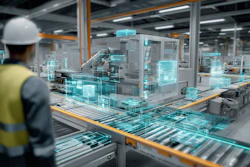
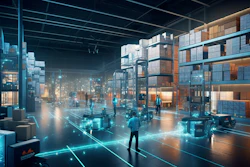
For years, the distributor’s role in the supply chain has been described as the “control tower.” In 2021, that analogy became reality. Customers needed real‑time visibility into the upstream supply chain where customers can see constraints, regional dynamics, demand shifts and risk signals.
Why these lessons still matter
Some people assume the crisis is behind us and that the urgency should fade.
The biggest risk is slipping back into old habits: once lead times ease, organizations relax. Today’s dynamics make that mindset dangerous.
We are in an era shaped by:
- Global geopolitical realignment
- Shifting trade frameworks
- Acceleration in electrification and digital infrastructure
- AI‑driven compute demand that is reshaping capacity plans worldwide
- Regionalization in manufacturing and supply re‑balancing
Volatility hasn’t disappeared; it has evolved.
Some component categories have improved, but others remain constrained. And even where supply is easing, the ripple effects from COVID‑19, inflation and geopolitical tension continue to impact availability and strategy. In this landscape, a “control tower” view is mission‑critical.
Being realistic about the future means recognizing that modernization, data transparency and multi‑tier visibility are now basic requirements for resilience.
Transparency as a strategic imperative
One principle that will define supply chain leadership over the next decade is transparency in:
- Supplier and customer relationships
- Demand signals
- Engineering and design decisions
- Across global logistics and manufacturing footprints
The 2021 shortage exposed blind spots. We saw just how much multi‑tier dependencies, obscured bottlenecks and missing data streams can amplify risk.
That’s why investing in AI‑driven analytics, deeper supplier engagement and digital tools that enhance visibility across every tier is crucial.
Resiliency isn’t something you hope for. It’s something you build through clarity, access and proactive decision‑making. It is a culture you must build.
A stronger industry built on shared visibility
The shortages of 2021 are now part of industry history, but the impact continues to shape the future. Its most important legacy is simple: it accelerated a cultural shift toward transparency and building even stronger relationships.
Transparency empowers agility in moments of disruption, fuels innovation during rapid technological shifts, and ensures that our global supply chain remains strong no matter what challenges lie ahead.
As electrification, intelligent systems and global interdependence continue to grow, the companies that will thrive are those that remember the lessons of 2021 and apply them every day.
And if we do that, the future of the industry will be stronger, smarter and far more resilient.