A single viral moment can now upend a manufacturing line. In today’s retail landscape, an internet trend can send demand for one product variation soaring in a matter of hours. This means that a demand spike can materialize and peak within days, not months. This can leave supply chain leaders scrambling for an immediate response. When forced to choose between a viral moment and protecting the stability of a continuous production line, brands encounter a phenomenon called “production paralysis.” This is the fear that the risk of operational failure outweighs a revenue spike driven by a viral product.
This paralysis exposes a vulnerability: a massive decision latency gap. The time between a market signal and an operational response is no longer measured in weeks, but hours. The organizations that do not have a structured decision framework aren’t just slow; they’re structurally exposed. The most resilient companies close this gap by mapping decisions before deploying technology. They document key decision makers, inputs, and outputs first. To thrive and capitalize on these viral trends, manufacturing leaders must transition from traditional forecast-based planning to real-time execution. By leveraging digital twins as a virtual sandbox, organizations can simulate complex what-if scenarios, de-risk line modifications, and accelerate speed-to-market without ever endangering supply chain continuity.
Why traditional production models stall
So, why do traditional models stall when faced with volatility? Because their foundations lie on historical forecasting models, which are designed for seasonal demand changes. Now, when an internet trend immediately shifts demand, the lag time to manually adjust operations creates a costly decision latency gap that legacy systems simply cannot bridge. The result is production paralysis at precisely the moment when agility is most critical.
Beyond the technical friction, production paralysis is heavily driven by a cultural trust deficit. When data visibility between corporate offices and the factory floor is low, organizations instinctively default to defensive risk reduction over innovation. Plant managers naturally resist emergency changeovers because they lack trust in the longevity of a social media trend. To them, the logical priority is protecting continuous line stability, not risking a costly operational failure for a speculative marketing spike. When the corporate office forces these emergency changeovers anyway, a plant relying on manual processes inevitably fractures. This results in bottlenecks, inventory stockouts, eroding margins, and a decrease in customer loyalty. Without data-driven confidence, the entire workforce stays in a defensive posture, leaving substantial revenue on the table.
Using digital twins as a virtual sandbox
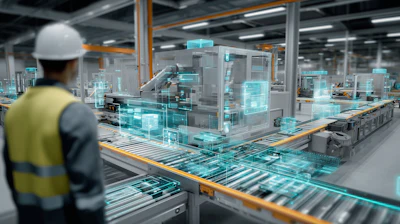
To bridge the gap between volatile demand and operational reality, successful manufacturers capitalize by using digital twins. A digital twin is no longer a futuristic visibility tool. It functions as an interactive, real-time R&D lab for operational replication. Instead of shutting down a production line to run speculative tests, manufacturers can use digital twins to run complex what-if scenarios in a virtual environment.
This virtual sandbox unlocks critical operational capabilities, including virtual line cracking, stress-testing thresholds, and predicting yield protection. First, virtual line cracking allows leaders to test how custom packaging dimensions or personalized labeling configurations will impact sorting and picking arms before modifying a single physical asset. Next, the digital twin can test stress-test thresholds by simulating a 10% or 15% increase in line speed to identify machine stress points, component fatigue, or potential conveyor failures before they cause downtime in the real world. Finally, predicting yield protection involves the generation of deep data insights on material consumption and scrap rates, ensuring that the accelerated production remains profitable.
 Sendero Consulting
Aligning strategy, logistics, and plant operations
Historically, sudden market shifts expose a disconnect between corporate marketing teams demanding instant customization and plant operations managers prioritizing repeatable and uninterrupted line flow. Digital twins bridge this divide by creating a single source of truth that unifies the organization.
This connectivity extends far beyond the factory floor. Procurement and sourcing teams can link the digital twin to raw inventory data to determine if specialized packaging supplies can be acquired fast enough to sustain accelerated production. Within the warehouse, teams can simulate how new product variations will affect slotting, picking, and pallet configurations to prevent logistics bottlenecks before they happen. Additionally, transportation planning can leverage the twin’s output to forecast carrier capacity needs and lock in 3PL providers early. The result? A truly agile response from raw materials straight through to last-mile delivery.
The human factor
Implementing technology successfully always comes down to the people executing it. Leading organizations are redefining workforce structure into two distinct tracks:
1. Those who use digital twins to make faster, more informed decisions, and
2. Those who execute the systems themselves.
This evolution creates new value rather than displacing it. Ultimately, human traits remain the irreplaceable differentiator. As process execution shifts to digital systems, critical thinking, judgment, and accountability become the core competencies that define high-performing supply chain professionals. Digital twins handle the simulation; humans handle the judgment calls that follow.
However, rapid shifts in production schedules will naturally trigger resistance and change fatigue among factory floor teams. Intentional transparency is the ultimate antidote. Showing workers precisely how a process change will function before a single physical asset is modified replaces operational guesswork with predictability, building authentic floor-level trust. To sustain this shift, training must be role-specific rather than generic. Tailoring upskilling systems directly to supply chain functions accelerates adoption, closes capability gaps, and transforms teams from passive users into active contributors.
In a volatile trade and consumer landscape, a supply chain’s true value is measured by its agility and responsiveness. Embracing digital twins allows manufacturers to bridge the gap between demand and operational stability, building an antifragile infrastructure capable of sprinting alongside consumer trends.
That said, a virtual sandbox is only as powerful as the decision framework behind it. The organizations that see the highest ROI from digital twins are those that first map their decisions before writing a single line of code. Without that foundation, even the most advanced decision tools produce noise rather than clarity. The companies that pair digital twins with an intentional decision architecture will set the new standard for manufacturing responsiveness. Those who remain tethered to rigid forecasting models will find themselves trapped in perpetual paralysis. Technology transforms operations, but an empowered workforce and disciplined framework determine the outcome.