Global trade is often measured by efficiency, speed, and scale. These metrics shape decisions in boardrooms, guide investment strategies, and influence how supply chains are built.
But they are not the only measures that matter.
In Philadelphia, we believe trade should also be measured by access, opportunity, and impact. International markets should not be limited to the largest companies with the deepest resources or longest-established networks. Trade must also serve as a pathway for small businesses, emerging companies, and underrepresented entrepreneurs to grow, compete, and contribute to shared prosperity.
Building accessible pathways to global markets
Equity in trade begins with access. Many small businesses face structural barriers like lack of market familiarity, limited resources or insufficient connections to navigate complex regulations. Regional hubs can help bridge these gaps by connecting businesses to international partners and potential sources of investment.
In this arena, Philadelphia has significant advantages. The Philadelphia region is home to world-class assets in life sciences, higher education, technology, logistics, and advanced manufacturing, and is strategically located on the East Coast, with strong transportation networks and global connectivity.
But infrastructure alone does not create opportunity. Opportunity is created when those assets are paired with intentional support systems that help businesses access them.
This was the driving force behind the 56th annual World Trade Centers Association (WTCA) Global Business Forum (GBF), hosted by World Trade Center (WTC) Greater Philadelphia. In a time of shifting trade dynamics, WTCA remains a consistent, non-political platform dedicated to the principles of open markets and fair competition.
Creating these peer-to-peer connections allows SMEs to learn from one another, share their unique best practices and strategically anticipate and respond to shifts in tariffs, trade policies and global demand. Philadelphia’s role as a key East Coast hub for global trade made it the ideal host for the event, uniquely positioned to help companies make influential connections to global markets.
Strengthening resilience through diversification
Economic equity also depends on resilience. Businesses that rely on too few suppliers, too few customers, or too few markets are more vulnerable to disruption. Inclusive trade strategies should therefore encourage diversification of sourcing, partnerships, and market opportunities.
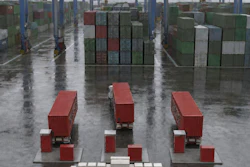
For Philadelphia, this includes leveraging the Port of Philadelphia (PhilaPort), logistics infrastructure and regional corridors to connect local businesses with international markets across Asia, Europe, Latin America and more.
It also means helping businesses build the capabilities needed to compete internationally: understanding compliance requirements, managing risk, adapting to policy changes, and planning for long-term growth.
When small- and mid-sized firms can diversify successfully, the entire regional economy becomes stronger and more resilient.
Trade strategies rooted in knowledge and innovation
Education and innovation will always be critical levers for inclusive trade. Universities, research institutions and healthcare systems produce innovative ideas and necessary talent that can be deployed across global markets. Ensuring that underrepresented businesses can play a role in these ecosystems is a key strategy in driving equitable global trade.
Practical approaches include:
· Facilitating partnerships between SMEs and research institutions to translate innovation into exportable products.
· Providing access to advanced training on digital tools, AI and data analytics that improve operational efficiencies.
· Encouraging the adoption of sustainable practices that meet emerging international standards.
These strategies allow smaller businesses to compete on a global stage without requiring the scale of multinational corporations, creating opportunities for broader participation and growth.
Policy expertise and advocacy
Equitable trade also relies on an understanding of increasingly shifting policy dynamics. Fluctuating tariffs, regulatory frameworks, and trade agreements can disproportionately affect smaller businesses that may not have dedicated compliance teams.
That is why access to trusted guidance matters.
Best practices include proactive monitoring of policy changes, advocating for frameworks that support broad participation in global commerce, and the ability to translate changing regulations into actionable, digestible information.
Businesses benefit when local ecosystems provide guidance, resources and advocacy to help navigate these challenges. When SMEs and minority-owned companies have access to timely, actionable information, they can make decisions that grow their businesses and strengthen regional economies.
Trade as a vehicle for community impact
Ultimately, trade becomes a vehicle for equity when it connects economic success with community impact. Inclusive trade strategies do more than expand exports — they create jobs, support entrepreneurship and circulate wealth across communities. When businesses of all sizes have the opportunity to participate in global markets, trade becomes more than an economic transaction — it becomes a lever for lasting, inclusive prosperity.