Ocean freight has become increasingly unpredictable and difficult to manage. Many of the pressures affecting shipping are interconnected and hard to work around. This unpredictability affects inventory planning, customer commitments, sourcing decisions, cost management, and the ability to keep goods moving on time. When one part of the shipping process becomes less reliable, the effects can spread quickly across the rest of the supply chain.
The decisions you make before a shipment even leaves port matter more than ever. Keep risk mitigation in mind to protect your ocean shipping operations and supply chain.
Route changes are a major source of disruption
One of the biggest issues affecting ocean freight is route instability. In the past, you could rely on established shipping lanes and relatively predictable transit patterns, but that’s no longer the case in many parts of the world.
Certain routes are more difficult and expensive to use due to geopolitical conflicts or security concerns. And in some high-risk areas, shipping carriers may avoid the route entirely or charge additional fees to push through.
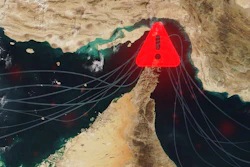
A prominent example is the ongoing conflict in the Middle East and its impact on ocean shipments through the Strat of Hormuz. Approximately 20-25% of global oil trade passes through this route, alongside containerized cargo, chemicals, and refined petroleum products.
While the Strait is primarily associated with energy cargo, disruptions in the region also create significant delays for food, raw materials and consumer goods. These disruptions have led to reduced vessel traffic, diversions to alternative ports, and extended or missed transshipment connections. Ultimately, these impacts cascade downstream to business owners and consumers in the form of higher freight costs and longer transit times, negatively affecting supply chain reliability and profitability.
Another significant contributor to route disruption is crew refusal. Shipowners cannot compel crew members to transit high-risk zones where safety concerns exist. As a result, vessel operations may be delayed, sailings postponed, capacity reduced, or ports of call cancelled altogether.
This is where a seemingly simple transportation decision becomes a broader supply chain problem. A longer route increases costs, extends timelines, and raises the chance something goes wrong before the shipment arrives. If that shipment contains items tied to a strict customer deadline, even a short delay can have serious consequences.
Route selection is a risk decision. You need a clear understanding of where your goods are going, and the trade-offs associated with each available path. A route that avoids one problem may create another. Instead of going for the fastest route, choose the most reliable one based on the current conditions.
Routing challenges are only one part of the equation. Even when shipments are rerouted, new challenges emerge at port.
Port congestion creates business risk
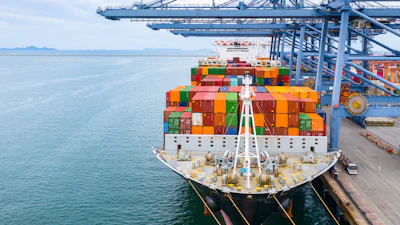
When more vessels are funneled into fewer workable paths, traffic builds at major ports. That congestion creates additional problems, especially when ports are already dealing with labor shortages or operational bottlenecks.
Labor shortages can occur in several ways across the ocean shipping supply chain. Insufficient staffing of dockworkers, marine pilots, and inland transportation labor can slow vessel berthing, cargo handling, and container repositioning. As a result, vessels may remain idle, unable to dock or discharge cargo until qualified labor becomes available. These challenges are often compounded by the difficulty of finding experienced workers who specialize in these roles and are proficient in meeting operational, safety, and cargo‑handling requirements.
Vessels can arrive and then wait offshore for an open berth. If refrigerated or otherwise time-sensitive products are delayed too long, their quality can deteriorate before they reach their final destination. Even durable goods can lose value when they arrive too late to meet a contractual commitment. A shipment may arrive intact and still cause problems because it missed a deadline or commitment.
A delayed shipment can trigger downstream costs in warehousing, production, fulfillment, retail planning, and customer relationships. And because those losses stem from timing rather than visible damage, they can be easy to underestimate until they affect your business.
Port congestion also creates operational uncertainty. You may know where the cargo is, but not when it will move. That makes delivery planning harder.
Large-scale delays tend to get the most attention, but many losses come from much smaller, more routine issues.
The most common problems are often the least dramatic
In day-to-day shipping, some of the most common losses stem from routine problems, such as mishandling cargo during loading or unloading, or packing goods insufficiently for the trip.
These process failures can happen at ordinary points in the shipping journey and are easily preventable. Take the time to plan handling requirements and confirm who’s responsible for each stage of the shipment to set yourself up for success. Don’t rely on whatever vessel space remains available at the last minute.
Some products need specialized equipment or loading standards. Others are more vulnerable to rough treatment while being moved on and off a vessel. If you don't account for these needs upfront, the likelihood of loss increases.
Even when shipments are planned and handled correctly, problems can still arise if responsibility isn’t clearly defined across each stage of the journey.
Defining contract terms and shipment responsibility
If a shipment is delayed, damaged, or mishandled, you need to know who was responsible at that point in the chain. If that answer is murky, the result may be a costly, drawn-out dispute or recovery challenge.
International Commercial Terms (Incoterms) are standardized trade terms used in global commerce to define which party is responsible for transportation, insurance, unloading, duties, and other parts of the shipment process. Consistently leveraging Incoterms helps mitigate confusion when something goes wrong.
A detailed shipment plan with clear terms and responsibilities doesn’t eliminate risk entirely, but it gives you a stronger foundation for managing it.
However, not all disruptions can be controlled. External conditions can quickly introduce new challenges.
Weather adds more variables
On top of everything else, poor weather exacerbates these issues. Severe weather has become a more frequent source of disruption in recent years.
A vessel may need to stay offshore longer because conditions make it unsafe to enter port or reroute entirely to avoid a storm. If that happens, cargo may spend more time in transit or in temporary storage, increasing costs and further stretching deliverable timelines.
You can’t control the weather, but you can control who you trust to move your goods through it.
Choose your shipping carrier wisely
With so many volatile challenges, your choice of shipping carrier significantly impacts outcomes. Don’t base your decision solely on price. While budgets can be tight, focusing too much on costs can introduce other risks that are more expensive in the long run.
Track record matters. When choosing a shipping carrier, look closely at:
· Service reliability
· Operational consistency
· Whether they have a pattern of delays or other performance issues
· If they frequently operate through congested or high-risk regions
· How they adjust when routes become more difficult
One useful indicator is a carrier’s record of loss-related incidents tied to shipments. A high number of claims can indicate recurring issues with operational controls. This level of due diligence helps determine whether a lower-cost shipping option is actually increasing the likelihood of disruption.
If you wait too long to book shipments, you lose the ability to be selective. When that happens, you may be forced to accept whatever vessel space or routing options are still available.
Even small differences in vessel quality can have an impact. For instance, older vessels may introduce additional risk or cost considerations depending on the shipment. While that may seem like a small technical detail, a shipping carrier’s quality can influence reliability and overall supply chain performance.
A more reliable freight strategy starts before cargo moves
You can’t afford to treat ocean freight as a back-end transportation function. It needs more attention earlier in the planning process.
Give yourself a damage control checklist:
· Route stability: Are you relying on a route with known disruptions or congestion points?
· Carrier performance: Have you reviewed the shipping carrier’s loss history and ability to adapt to changing conditions?
· Booking timing: Are you securing space early enough to avoid limited routing options?
· Cargo handling and packing: Is your shipment prepared for loading, movement, and unloading?
· Responsibility: Are roles clearly defined across the shipment, including Incoterms and handoff points?
· Delay readiness: Do you have contingency plans if cargo is rerouted or arrives outside its intended delivery window?
Ocean freight will always involve uncertainty. Adjust your shipping and planning approach in advance to keep goods moving and protect your margins. Build a process that’s more resilient and disciplined before disruption even happens.