Retailers can maximize the value of returned products by using integrated reverse logistics to quickly assess inventory and decide on resale, repair, or redirection. New EU regulations requiring fashion retailers to keep returned items in circulation instead of destroying them make this capability essential for both environmental compliance and profitability.
- In 2024, U.S. retail returns totaled $1 trillion, with retailers spending an estimated $200 billion recovering value from returned goods.
- Processing a single online return in Europe costs as much as 75% of the product's retail price, and an estimated one-third of returned clothing was previously destroyed.
- Since July 2026, large EU fashion retailers can no longer incinerate or landfill unsold or returned apparel, forcing a shift toward resale, repair, or redirection.
- The key to recovering value is fast assessment and operational capability—retailers must know what they have, where it is, its condition, and act quickly before processing costs erode profitability.
- Integrated reverse logistics partners provide the infrastructure and services needed to retain commercial control over returned inventory across multiple markets without building every capability in-house.
Online shopping has transformed returns of fashion items from an occasional inconvenience into a fundamental part of global retail. Consumers increasingly expect the process to be as easy as the purchase itself: the National Retail Federation’s 2025 Retail Returns Landscape found that 82% of shoppers in the United States consider free returns important when buying online.
That convenience can help win the sale, but as e-commerce grows, it also means more inventory flowing backwards through global supply chains.
Unlike outbound fulfilment, returns are difficult to predict. Products arrive at different times, in different conditions and with different potential next steps. Returns can take weeks and span multiple locations, reducing the potential for products to be resold, particularly in seasonal fashion.
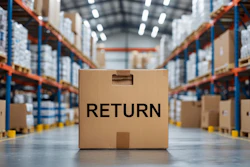
That returns process can also quickly eat into the value retailers are trying to recover. In the United States, retail returns totaled $1 trillion in 2024, with retailers spending an estimated $200 billion recovering value. In Europe, where one in five garments bought online is returned, research from the European Environment Agency suggests that the cost of processing a single online return is as much as 75% of a product’s retail price.
Until more recently, the cost and complexity of processing returns meant that some potentially resaleable goods in Europe never made it back into circulation. An estimated one-third of clothing bought online and returned ended up being destroyed.
Regulation is now forcing a different approach. Since July 2026, large fashion retailers in the EU can no longer incinerate or send unsold apparel to landfill. Customer returns are covered by the same rules.
Retailers now need a solution to maximize recoverable value from more unsold or returned stock. Rather than becoming waste, it can often be resold, repaired, or even redirected to a different market. Unlocking that value depends on how quickly and accurately retailers can evaluate each product and retain control over what happens to it next.
This is of particular concern for luxury brands, where pushing more stock into secondary markets can mean deeper discounting and less control over how products are sold. As much as 40% of luxury goods were already sold at a discount in 2025, according to figures cited by the Financial Times, as weaker demand and excess inventory increased reliance on outlets. The new rules could add to that pressure, while holding onto stock for longer can bring additional inventory costs.
That creates a narrow window in which to recover value – more so now for those retailers suddenly faced with excess stock. The longer it takes to assess a returned product and decide what to do with it, the greater the risk that processing costs, markdowns or falling demand will erode what it is worth.
Better data is part of the answer, but visibility alone does not recover value. Retailers need to know what they have, where it is and what condition it is in, but also need the operational capability to act on that information. This is where integrated reverse logistics comes in.
For retailers, the aim should be to retain control of that commercial decision without having to build every capability behind it themselves. An integrated logistics partner can provide the infrastructure and services needed to act on those decisions across markets.
As return volumes grow and regulators put greater emphasis on keeping products in circulation, retailers have both an environmental and a commercial incentive to recover more value from returned stock. The opportunity lies in acting before time and cost decrease a product's value.
By bringing information and operational capabilities together, integrated reverse logistics can help retailers retain control and make faster, smarter decisions as these new rules set in.