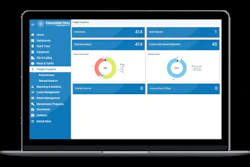
TrusTrace launched a new platform built TrusTrace's traceability and compliance foundation, making supply chain data directly accessible for insight and decision-making while automating the multi-step programs that act on it.
At the foundation is TrusTrace's real-time, lot-level forward traceability with AI-powered backward chain-of-custody data, across materials and sourcing models.
“Every regulation ultimately asks the same question: can you prove it? But proving compliance starts much earlier, with understanding your supply chain, knowing where the gaps are and acting before they become problems,” says Shameek Ghosh, CEO and co-founder of TrusTrace.
Key takeaways:
· Its first focus is Supply Chain Intelligence, where brands can ask questions in natural language across suppliers, facilities, products, materials, and supply chain relationships, surfacing gaps and patterns and generating insights and reports in seconds.
· Over subsequent phases, TrusTrace will add regulatory intelligence and enterprise intelligence, connecting external regulatory requirements and brands' own policies and standards with their supply chain data, so brands can understand which requirements impact them, identify gaps earlier, and act before they become compliance failures.
· TrusTrace introduced a program builder and orchestrator that automates the workflows behind Supplier Compliance, TrusTrace's existing solution for managing whether suppliers meet a brand's requirements. Brands can now run vendor onboarding, continuous supplier monitoring, assessments, evidence requests, follow-ups, and corrective actions automatically, replacing manual, repetitive work with a system that runs on the brand's own data.
· Supplier Compliance manages whether suppliers meet a brand's requirements; Supply Chain Intelligence helps brands understand their supply chain, identify what needs attention, and make better-informed decisions; and Product Compliance determines whether a specific product meets applicable requirements and provides the evidence needed to prove it.