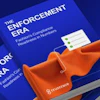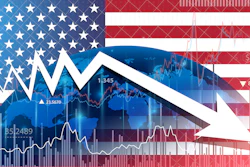
Almost 95% of responsible sourcing professionals say that their sustainability and risk management budgets are being maintained (39%) or increased (56%) for 2026, according a new report by EiQ. Yet, in a trade landscape disrupted by conflict and tariffs, multinational companies are struggling to access the information they need to comply with due diligence laws.
“Our 2026 survey of top trends in responsible sourcing reveals the challenges of ensuring compliance in a fast-changing geopolitical landscape. It reflects an ever more complex legislative environment, both globally and locally, to which practitioners are having to constantly adapt,” says Andy Gibbard, chief customer officer at EiQ.
Key takeaways:
· The data suggests that those companies who have committed to sustainability pledges continue to stand by them, despite some media narratives to the contrary. However, when asked about their business’ ability to detect risks, only 24% say they are ‘very confident’, signaling that investment is not converting to assurance.
· Respondents identified tariffs as the single greatest challenge for responsible sourcing teams in 2025, closely followed by limited resources to address new pressures such as evolving immigration policies, civil unrest and reshaping of the perception of sustainability risks.
· More than half of businesses (54%) have faced penalties or fines for responsible sourcing violations as scrutiny on supply chain due diligence continues to increase. High-profile labour practice investigations in Italy, the United States and the UK have highlighted how widespread human rights violations are throughout supply chains. The impact of these violations can be significant financial fines, which are compounded by reputational damage and operational disruption if products are pulled from key markets.
· Despite AI being a top investment priority of one in three businesses (35%), a similar number (31%) still rely on manual efforts with no automation for due diligence. Resulting in business responsible sourcing efforts yet to reach the scale, speed in risk detection and remediation recognised as best practice.
· Nearly half of organizations cite poor data quality as their biggest obstacle (49%), compounded by siloed systems which prevent timely, holistic risk assessment.
· In response to the growing complexity of supply chain risk, EiQ launched an industry consultation to develop the next generation of its Enhanced Responsible Sourcing Assessment framework (ERSA 4.0). ERSA was originally designed to collect deeper supplier data and apply stronger verification than standard industry audits. It includes audit and self-assessment frameworks for responsible sourcing, environment, carbon maturity for critical sectors such as manufacturing and agriculture.
“2025 marked the tipping point for responsible sourcing, with tariffs and conflict disrupting supply chains, and the regulation landscape fragmenting. This year, ongoing global conflict is already reshaping supply chains, so sourcing teams must be prepared for all scenarios and understand the risks and tradeoffs of every sourcing decision. This requires a shift in approach to leverage proactive monitoring, stronger due diligence frameworks and a more granular, agile approach to risk management,” adds Gibbard.