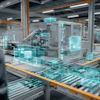
Refrigeration technology is critical within the food and beverage industry, ensuring the safe storage and transportation of perishable products. Advanced refrigeration systems enhance food safety by maintaining precise temperature controls, inhibiting microbial growth and extending shelf life. Additionally, technology innovations improve energy efficiency, reducing operational costs and environmental impact. As the industry continues evolving, these advancements do more to safeguard public health and contribute to a more sustainable future in food distribution.
Key Advances in Industrial Refrigeration Technology
Recent advances in industrial refrigeration technology across the food and beverage sectors have significantly enhanced operational efficiency. One notable innovation is the adoption of natural refrigerants, such as ammonia and carbon dioxide, which offer substantial energy savings and reduce the environmental footprint. These refrigerants are more sustainable and also comply with increasingly stringent regulatory standards aimed at mitigating climate change.
The integration of IoT monitoring and predictive analytics has also transformed how companies manage their refrigeration systems. Real-time data collection means operators can monitor critical parameters, such as temperature and humidity, ensuring optimal conditions for perishable goods. This proactive approach minimizes the risk of spoilage and product loss while also facilitating timely equipment maintenance.
Advancing system designs, including digital twins, enable refrigeration process simulations, optimizing performance and enhancing reliability. By analyzing data, businesses can make informed decisions to further streamline their operations. Overall, these technological innovations raise food safety standards and deliver significant energy efficiency gains, making modern refrigeration systems a cornerstone of sustainable operations in the industry.
A National Industrial Refrigeration Company Leads the Way
CoolSys stands out as a national industry leader in refrigeration solutions, with an innovative and energy-efficient technological position in the food and beverage sector. With over 25 years of experience, the company has established itself as a trusted partner within strategic upper supply chain management of manufacturing, distribution, restaurant chains, transportation and wholesale sectors of the food industry, providing comprehensive refrigeration services tailored to meet the specific needs of its clients.
Its commitment to energy efficiency is evident in its use of natural refrigerants and cutting-edge system designs, enabling CoolSys to focus on reducing environmental impact while ensuring compliance with evolving regulations. The provider’s range of services includes installation, preventive maintenance and emergency services, all aimed at maximizing operational efficiency and safety.
Moreover, CoolSys emphasizes hands-on training for its technicians, ensuring a team well-equipped to handle the complexities of modern refrigeration systems. This dedication to expertise, combined with its customer-centric approach, positions the company at the forefront of the industry as an invaluable asset to food and beverage operations.
 CoolSys
How Advanced Refrigeration Improves Food Safety
Temperature control is paramount in ensuring food safety throughout the supply chain. Advanced refrigeration systems help prevent the growth of harmful bacteria and pathogens by maintaining consistent environmental temperatures. Variations in temperature can lead to spoilage and foodborne illnesses, making precise temperature management essential for perishable products.
Innovative refrigeration solutions designed to maintain optimal cooling conditions minimize temperature fluctuations even under varying operational demands. These systems facilitate real-time monitoring, enabling immediate adjustments to address any deviations. Proactive preventive maintenance strategies adopted by established companies like CoolSys address potential failures before they disrupt food safety.
By combining advanced technology with extensive experience, these reliable refrigeration solutions ensure compliance with stringent food safety regulations. This commitment protects public health while enhancing operational efficiency, positioning top providers as trusted partners in the food and beverage industry’s pursuit of safety and sustainability.
Meeting Organizational Goals for Energy Efficiency
Modern refrigeration systems significantly enhance energy savings through their advanced technologies and efficient designs. By implementing natural refrigerants and smart controls, these systems reduce overall energy consumption while maintaining optimal cooling for perishable goods. In turn, this reduces operational costs and supports organizations' sustainability targets.
Recognized refrigeration providers play a pivotal role in this energy-optimization landscape, offering services that include assessing existing refrigeration systems and providing tailored solutions to enhance efficiency. For instance, using preventive maintenance strategies to keep systems running at peak performance further reduces energy waste. By partnering with the best, businesses can achieve their energy efficiency goals while also ensuring compliance with environmental regulations, resulting in more sustainable and cost-effective operations.
 CoolSys
Frequently Asked Questions
Here are some FAQs about industrial refrigeration.
What are the key benefits of using natural refrigerants in industrial refrigeration?
Natural refrigerants, such as ammonia and carbon dioxide, offer several advantages over traditional synthetic alternatives. They have lower global warming potentials and are often safer for the environment. Natural refrigerants can also enhance energy efficiency, thereby reducing operational costs. Their adoption aligns with regulatory trends aimed at minimizing the environmental impact of refrigeration systems.
How does temperature monitoring improve food safety in refrigeration systems?
Continuous temperature monitoring of perishable goods ensures they are kept at optimal temperatures throughout storage and transport. By leveraging real-time data analytics, operators can detect immediate temperature fluctuations and take quick corrective actions. This proactive approach minimizes spoilage and the risk of foodborne illnesses, ensuring compliance with stringent health regulations.
What are the best practices for maintaining industrial refrigeration systems?
Regular maintenance is vital to ensure that refrigeration systems operate efficiently. Best practices include routine inspections, preventive maintenance schedules, and system upgrades when necessary. Operators should also train staff to identify signs of potential issues early. Implementing energy-efficient technologies and conducting regular audits can further optimize performance and prolong the lifespan of refrigeration systems.
Prioritizing Sustainability in Refrigeration Practices
Advancing refrigeration technologies enhances food safety and achieves energy-efficiency goals in the food and beverage industry. As regulations become stricter and consumer expectations rise, industry stakeholders need to invest in innovative refrigeration systems. These advancements must ensure compliance with health and safety standards and also contribute to sustainability efforts. By embracing these changes, businesses can maintain competitiveness while promoting a sustainable and profitable future for the industry.