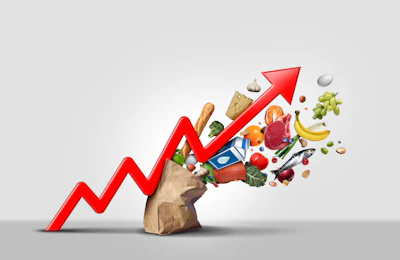
The U.S. food supply chain is entering another period of unpredictability, and this time the pressure is coming from policy rather than weather or labor. Proposed import tariffs scheduled to take effect through 2026 are expected to raise the cost of many staple foods, from fresh produce to pantry essentials. While headlines focus on price hikes at the grocery store, the real story is unfolding further upstream, where importers, distributors, and logistics teams are grappling with a new level of operational complexity.
Tariffs of 10-25% on goods from major trading partners, along with targeted duties on certain European food products, are forcing companies to rethink sourcing strategies, landed cost calculations, and compliance processes. For food logistics professionals, the challenge is not just absorbing higher costs, but managing rapid regulatory change without disrupting product flow. This is where software solutions are becoming some of the most critical infrastructure in the food supply chain.
Complexity is the New Normal
Food supply chains already operate under strict regulatory oversight. Add shifting tariff schedules, country-specific duties, and product-level exemptions, and even experienced teams can struggle to keep up. A tomato imported from Mexico, olive oil from Italy, or specialty pasta from Europe may suddenly carry a dramatically different duty profile, sometimes changing with little notice.
What makes this especially difficult is timing. Tariff impacts often lag policy announcements by months, meaning the most significant cost increases show up well after sourcing decisions are locked in. Without clear, current visibility into how regulations apply at the SKU level, companies risk surprises that ripple through pricing, inventory planning, and customer relationships. Manual processes are simply not built for this environment. Spreadsheets, static tariff tables, and periodic reviews cannot keep pace with regulations that update multiple times a year and vary by product classification.
From point-in-time compliance to continuous monitoring
Traditionally, trade compliance has been treated as a checkpoint, something verified during onboarding or when a new product is introduced. That approach no longer holds up because today, compliance is a moving target.
Modern software platforms are shifting compliance from a one-time task to a continuous process. Instead of reacting after a shipment is flagged or delayed, companies can monitor regulatory changes in real time and understand how those changes affect their product catalogs before goods reach the border.
For food logistics teams, this is especially valuable. Many food imports are subject to oversight from multiple government agencies, each with its own rules and documentation requirements. Software that connects product data with regulatory updates helps teams anticipate requirements earlier in the workflow, reducing delays and last-minute scrambles.
Accuracy matters more than ever
As tariffs rise, the cost of small errors coincide in that increase. An incorrect product classification or outdated duty rate can result in overpaying tariffs, shipment holds, or even audits. In a high-volume food operation, those mistakes add up quickly.
Software solutions that use advanced data analysis and automation help standardize how products are classified and reviewed. By applying consistent logic across thousands of SKUs, companies can reduce variability and improve confidence in their compliance data. This is particularly important as trade remedies and temporary tariffs continue to change, often tied to very specific product definitions.
Just as importantly, these tools give importers direct visibility into their own data. Even when customs brokers handle filings, the importer of record remains responsible for accuracy. Maintaining internal control over classification and compliance information is quickly becoming a best practice.
Enabling better decisions
The value of software solutions goes beyond avoiding penalties. With clearer insight into duties and regulatory exposure, food companies can make more informed decisions about sourcing, pricing, and inventory positioning. If a particular product faces rising tariffs, teams can evaluate alternatives earlier, whether that means adjusting suppliers, renegotiating contracts, or rethinking product mix. In a market where consumers are increasingly price-sensitive, that foresight can be a competitive advantage.
Food logistics has always been complex, but the next few years will test the resilience of even the most sophisticated operations. Tariffs, policy uncertainty, and global trade shifts are unlikely to disappear anytime soon. Software solutions will not eliminate these challenges, but they can absorb some of the shock. By providing real-time visibility, improving accuracy, and turning compliance into a continuous process, technology is helping food supply chains stay agile in an unpredictable world.
This year and beyond, the companies that navigate disruption most effectively will not be the ones reacting fastest after a problem appears, but will be the ones using better tools to see it coming.