For food supply chain operators, temperature control has always been critical. Today, however, protecting refrigerated cargo involves more than temperature control alone. As global food logistics networks grow more interconnected and time-sensitive, ensuring the security of refrigerated shipments has become increasingly inseparable from protecting food safety, shelf life and consumer trust.
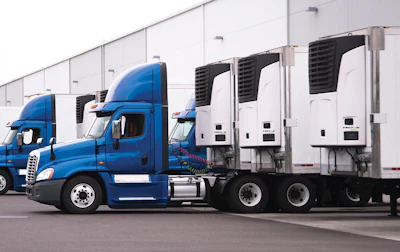
Refrigerated containers (reefers) transport high-value perishable food products often across long distances and multiple handover points. Predictable routes and strict delivery timelines make them easy targets of organized criminal networks.
According to CargoNet, in 2024 alone, cargo thefts rose by 27%, with organized criminal groups deploying fraud tactics, cyber-attacks and insider collusion to infiltrate supply chains. These threats are coordinated, data-driven, and designed to exploit operational blind spots.
Tampering and theft: a direct risk to food safety
Cold chain logistics is often a race against time to preserve product quality, yet the emphasis on speed and freshness can unintentionally compromise security and verification checks. These vulnerabilities are most likely to happen during transshipment, customs clearance, or inland transport, creating windows of opportunity where tampering may go unnoticed until the cargo reaches its destination.
In Australia, customs authorities have ramped up inspections of reefer containers as part of a broader crackdown on cocaine smuggling. These inspections revealed that shipments of food and beverage products are being tampered with and used as cover for drug trafficking operations. Reports indicate that criminal groups were found to be hiding contraband in unused space or swapping out legitimate goods while in transit.
For food shippers, such incidents present serious food safety concerns. Temperature deviations and unauthorized access can compromise food and packaging integrity, hygiene controls, and traceability. This creates a string of risks that include rejected shipments, product recalls, and loss of customer confidence.
Globally, food and beverage products now account for 22% of cargo theft incidents, making them the most targeted category. Agricultural goods follow at 10%, with electronics (9%), and fuel (7%) close behind. While cargo theft carries a direct financial cost, disruptions to the cold chain can have broader consequences, from reduced product shelf life and food waste to long-term reputational damage.
The importance of visibility
Not all losses are immediately apparent in food logistics. A brief temperature change or an unrecorded door opening can erode product quality. By the time issues are discovered, the products may already be en route to warehouses or retail outlets.
This is where connected reefer technology plays a critical role. IoT-enabled reefer containers now act as active monitoring systems. Door sensors trigger real-time alerts when unauthorized access occurs, allowing operators to investigate and take the necessary steps to prevent compromised perishable cargo from moving onto the food supply.
Temperature and environmental detectors continuously track conditions throughout the journey, flagging deviations early and ensuring a secure, auditable data train. For food shippers, this digital record supports compliance with food regulation and safety standards, retailer requirements, and quality assurance protocols.
Monitoring and assurance of safe cargo
Active monitoring platforms can aggregate sensor data and deliver actionable insights through a secure cloud interface. This connectivity allows operators to monitor location, temperature, and security status remotely anywhere in the world, enabling predictive maintenance and fast response to anomalies, ultimately improving cargo integrity and operational efficiency.
AI-powered risk prediction platforms also offer another layer of security. By analyzing historic theft data and customs alerts, these systems can automatically identify higher-risk routes or handover points. For food logistics operators, this enables proactive planning that reduces exposure to delays and loss, especially for high-value or highly perishable shipments. Meanwhile, connected asset tags extend visibility by allowing companies to track specific product lots rather than the container alone. This is particularly useful for cold chain shipments involving specialty foods, where even partial loss or compromise can have significant commercial and reputational consequences.
All these technologies can be fed into cloud-based visualization platforms, thus offering unprecedented transparency over the custody chain. They also facilitate real-time data sharing between logistics providers, law enforcement and regulatory bodies to create a unified front against criminal infiltration.
The urgent shift towards proactive food chain protection
Securing the cold chain is as much about product integrity, ensuring regulatory compliance and maintaining uninterrupted supply to retailers and consumers as it is about preventing theft. As criminal activities evolve, the industry’s approach to risk management must as well.
For food logistics stakeholders, this requires a mindset shift from reactive risk management to proactive IoT-driven security. Those who invest in connected reefer technology, real-time visibility and cross-stakeholder collaboration will not only mitigate risk but emerge themselves as trusted leaders in a high-stakes global supply chain environment.