*This article is sponsored by Bazoom
As supply chains evolve and automation becomes an industry standard, packaging choices like poly bags are central to meeting performance demands. These bags are frequently selected for shipping due to their lightweight structure and adaptability, but their importance extends into every corner of distribution and storage. For many fulfillment networks, poly bags for shipping help reduce dimensional weight while maintaining dependable protection. From defending products against dust and moisture during transport to enabling seamless movement across automated systems, the right poly bag can mean fewer damages, improved order accuracy, and enhanced throughput. A thoughtful approach to poly bags boosts supply chain performance, especially for industries balancing high volumes and varied product requirements.
Protection, preservation, and inventory management benefits
Poly bags for shipping contribute significantly to product safety, acting as barriers against external elements and reducing the likelihood of in-transit damage. Their ability to shield contents from moisture, dust, and abrasion is especially valued in industries such as apparel, electronics, and food distribution, where loss prevention is a top priority. In warehouse environments, effective packaging with poly bags minimizes product returns, reduces the frequency of repacking, and supports consistent order quality.
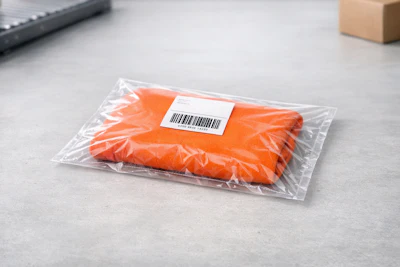
In addition to physical protection, poly bags for storage improve inventory management by providing clear visibility of contents. Transparent or semi-transparent options enable faster identification and picking accuracy, reducing manual handling. This visibility also supports automated inventory tracking, as barcodes or product details remain unobstructed, streamlining replenishment and cycle counts while maintaining packaging integrity throughout the supply chain journey.
Beyond basic protection, poly bags contribute to extended shelf life for products sensitive to environmental conditions. Climate-controlled warehouses benefit from the additional barrier poly bags provide, maintaining consistent conditions around products even during temporary temperature fluctuations. This is particularly valuable for pharmaceutical supplies, cosmetics, and certain food items where quality degradation can occur rapidly. Polyethylene bags packaging options can also be selected to support sealing and labeling needs for regulated categories. The sealed environment created by properly closed poly bags also prevents cross-contamination between different product lines, ensuring compliance with quality standards and reducing the risk of costly recalls or customer complaints.
Compatibility with automation and operational efficiency
Warehouse automation systems are designed for speed and consistency, and poly bags warehouse operations benefit directly from packaging that suits these systems. Correct sizing, material selection, and closure types reduce the risk of jams, mis-scanning, or blockages at scanner, diverter, and conveyor stations. For example, poly bags for storage can be specified with consistent film thickness to improve handling through automated pick-and-pack workflows. Poly bags that match product dimensions and offer suitable friction prevent recirculation events, which can halt operations and create delays.
Automation touchpoints highlight the importance of properly specified poly bags for bulk handling and sorting. Standardizing sizes and gauges helps automated equipment function reliably across diverse SKUs, minimizing exceptions and errors. As automation tightens the tolerance for packaging variances, poly bags warehouse teams increasingly treat packaging specification as part of system tuning. Poly bags become not only a protective layer but a tool for maintaining fulfillment speed and reducing manual intervention, driving measurable improvements across warehouse and supply chain processes.
Cost, sustainability, and operational flexibility
Poly bags bulk purchasing enables warehouses to control costs and standardize their supply chain packaging. By negotiating favorable terms and limiting bag formats, businesses simplify procurement, reduce excess inventory, and decrease training time for new associates. Standardization in packaging also allows for smoother integration with warehouse management systems and automated handling equipment, further lowering operational expenses.
In fact, sustainability considerations have gained prominence, leading many organizations to seek recyclable or biodegradable poly bags for shipping and storage. In high-volume programs, poly bags bulk ordering can be paired with material certifications to support sustainability reporting and supplier accountability. Choosing environmentally responsible bag options supports broader corporate social responsibility goals without sacrificing operational flexibility. Poly bags remain one of the most adaptable packaging formats, accommodating a wide range of product types and handling requirements while supporting continual improvements in supply chain efficiency and sustainability initiatives.