Sustainable packaging has moved beyond the niche of green concern or commercial concept. It has emerged as a critical business enabler affecting procurement decisions, supply chain effectiveness, customer satisfaction, and corporate sustainability objectives.
As government, consumer, and investor expectations to decrease environmental impact grow, packaging has become one of the most visible and potent areas for firms to improve.
Sustainable packaging is a business opportunity for supply chain executives beyond environmental compliance. However, when done well, it may cut costs, increase operational efficiency, build a brand reputation, and aid the long-term viability of the firm.
Packaging plays numerous roles in the supply chain. It protects items, helps with travel, educates consumers, and helps in the display of products. However, traditional packaging materials tend to create a lot of trash and environmental challenges, particularly if they are hard to recycle or are made up of a lot of virgin materials.
The development of e-commerce has led to a greater usage of packaging globally. Products are sometimes double-bagged numerous times before they reach the end buyer, which results in increased material consumption and transportation expenses. This is forcing companies to reconsider packaging decisions to meet operational demands, but also make progress on environmental goals.
Consumers are more eco-literate than ever. The customer buying decision is increasingly being influenced by the firm’s environmental strategy, including packaging choices. Companies that don’t make the switch to sustainable packaging risk taking a big hit to their reputation. Successful organizations will be more loyal to their customers and more competitive in the market.
Many organizations see sustainable packaging as an additional cost on the front end. But executed well, there are typically big financial and operational upsides.
The benefits are the most direct material optimization. Redesigning packaging to utilize less material can save companies on procurement costs and reduce waste. Light packing also reduces transportation costs by lowering the weight of goods and by better use of vehicles.
For example, a firm can lower the size of its packaging to accommodate more products on a pallet, meaning fewer shipments and less fuel. These efficiencies result in savings along the supply chain.
Packaging sustainability typically forces organizations to reconsider how they design their containers and how they store and distribute them. This study typically results in opportunities to improve the usage of warehouse space, speed up handling operations and reduce product losses in transit.
Good package design may also help with inventory control and operating efficiency, without reducing the protection of the contents.
The duty of organizations is the environment
Sustainable packaging is a very visible and concrete approach for firms to demonstrate their commitment to sustainability.
The successful self-promotion with eco-friendly packaging may be done and companies have a tendency to have greater consumer participation and perception in the market. In highly competitive industries, sustainability might be a crucial differentiation.
Governments throughout the world are passing more stringent environmental laws on packaging waste, recycling requirements, and producer responsibility initiatives.
Progressive enterprises will also likely move towards sustainable packaging solutions since they will be better situated to manage future regulatory changes and compliance expenses.
Sustainable packaging – no one-size-fits-all solution
The optimal strategy relies upon the product’s features, the client’s expectations, the supply chain’s requirements and the region’s legislation. Businesses may redesign their product and packaging in a way that minimizes extra material while still offering usefulness and protection.
Not only does reducing the volume and weight of the package benefit the environment, it also reduces the cost of procurement and delivery.
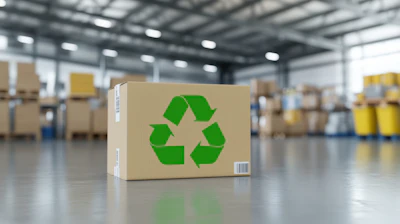
A lot of organizations are looking to move away from hard-to-recycle materials and toward packaging that can be integrated into existing recycling processes. Packaging trends include paper-based packaging, recyclable plastics and mono-material container designs.
The effectiveness of this technique depends on the local recycling infrastructure and customer engagement, which points to the importance of regional issues.
And the circular economy is helped along by the recycled materials reducing the need for virgin resources. companies are incorporating post-consumer recycled material in their packaging while still satisfying quality and performance criteria.
This technique offers a decrease in waste and a concern for resource conservation. There are considerable environmental and economic benefits to the reuse of packaging in several businesses. Over time, returnable containers, reusable transport packaging, and closed-loop packaging technologies can dramatically cut down on the amount of waste generated.
It’s not an easy thing to do, and involves some organization, but the long-term savings are generally worth it.
Procurement professionals have a key role to play in driving forward sustainable packaging solutions. When choosing packaging suppliers, buyers should look at more than just cost and quality. They should also look at environmental performance, innovation abilities, and dedication to sustainability. Strategic procurement decisions may speed up the uptake of sustainable materials and technology while ensuring the continuity of supply and cost competitiveness.
Supplier collaboration is important as well. Involving suppliers early in the construction of a package may bring firms creative ideas and valuable technical experience. Good partnerships with suppliers enable organizations to find opportunities for continuous development and to work collaboratively on sustainability concerns.
Procurement teams should be looking at total cost of ownership, not simply the cost of supplies. There is value in sustainable packaging solutions by decreasing transportation costs, waste management costs and improving customer satisfaction.
Sustainable packaging offers many benefits, but it’s not always easy to apply.
Organizations may be worried about the availability of material, performance standards, supplier capabilities or cost repercussions.
Successful firms manage these difficulties by making sure their procurement, supply chain, operations, sustainability, marketing and product development teams collaborate cross-functionally. pilot projects and staged rollouts assist firms to test performance and reduce risk before full rollout.
Measurement and data are crucial as well. Clear sustainability standards are needed so that companies may measure their success and discover methods to improve. This might include essential factors such as package weight reduction, recyclable material, rubbish diversion, transportation efficiency and decrease in carbon emissions.
Sustainable packaging: More than the proper material
New innovations such as smart packaging, expanded recycling programs, biodegradable materials, and digital product passports are changing the way companies think about package sustainability.
Sustainable packaging will not be a stand-alone sustainability endeavor but instead a critical part of supply chain strategy as environmental demands rise. Companies that invest in sustainable packaging today will be better positioned to meet regulatory requirements, satisfy customer expectations, and build resilient supply chains for the future.
Sustainable packaging is more than waste reduction. The goal is to enhance the intelligence, efficiency, and accountability of supply chains, generating value for the enterprise, customers, and the environment.