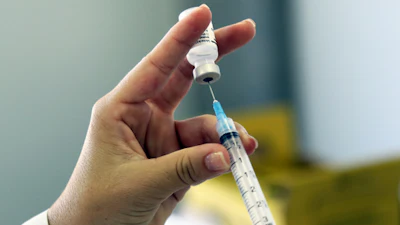
The pharmaceutical cold chain (PCC) refers to the storage and transport of temperature-sensitive drugs, vaccines and biological products within strict temperature limits to preserve their safety and effectiveness. Because even small deviations can compromise a product, the PCC must remain unbroken from manufacture to delivery. This creates a complex, tightly coordinated process in which every participant must prevent any lapse in temperature control, which ranged as low as -2°C to -150ºC and below, for certain medications and vaccines. The World Economic Forum reported that over 50% of vaccines were annually wasted due to temperature failure in logistics, resulting in a loss of annually $35 billion.
Major key feature of PCCs:
· Temperature-controlled storage like refrigerated warehouses.
· Usage of temperature-controlled vehicles with power back-up to avoid spoilage.
· Real tracking and monitoring are conducted using technologies such as RFID, GPS, and IoT sensors, for transparency and quick response to temperature deviations.
· Adherence with U.S. and international regulatory guidelines, including FDA, WHO, Good Distribution practices (GDP) and current Good Manufacturing Practices (cGMP) for proper handling and storage conditions of the pharma goods.
Temperature fluctuations, high infrastructure costs, inventory management and regulatory complexities were persistent challenges, but the environmental impact of PCC was more concerning. A Green Paper by Health Care Without Harm and ARUP revealed that the global healthcare industry generates 4.4% of global carbon emissions and the PCC emits 55% more than the automotive sector. The United States, China and the EU together accounted for 75% of these emissions. With the stricter regulations from the Paris agreement, pharmaceuticals were needed to develop a more efficient, sustainable and green cold chain.
Holistic strategy to decarbonize the PCC:
· Setting decarbonization goals: Clear, timeline-based reduction targets shape the net-zero pathway, ensuring long-term progress through science-based objectives.
· Understanding emissions: Understanding the emission categories is key to effective planning. Scope 1 emissions cover direct emissions from company operations, mainly through its facilities and vehicle fleets. Scope 2 emissions from purchased energy and Scope 3 from broader value chain comprising both “upstream” and “downstream”. Companies should pursue all emission scopes, beginning with the more controllable Scope 1 through focused training, monitoring and oversight.
· Collaborative approach: IQVIA estimates that Scope 3 emissions account for over 70% of a pharma company’s carbon footprint and remain the hardest to manage. Therefore, decarbonization will require a collaborative approach from suppliers, transporters, distributors and employees, making supply chain partners central to emission reduction efforts through coordinated collaboration.
Scope 3 emissions, arising from a company’s extended supply chain, are particularly challenging due to global supplier complexity and inconsistent reporting standards. Despite this, 72% of pharmaceutical companies have set Scope 3 targets, typically pursuing either absolute reductions or incremental supplier engagement.
The ways to achieve Scope 3 emissions in PCC:
· Shift to renewable energy and green transportation. The cold chain’s carbon burden remains high, with an estimated 4 million refrigerated vehicles in operation worldwide and diesel supplying roughly 84% of the sector’s fuel. A single trailer refrigeration unit can emit roughly 8 tons of CO₂ annually, while cold warehouses consume uninterrupted power to maintain temperature stability. Therefore, the companies should participate in initiatives such as RE100 that encourage commitment towards generating 100% electricity through renewable sources. Measures like solar-powered warehouses, wind solutions and emerging hydrogen technologies can be adopted for lowering emissions. A gradual shift was observed in transport practices, moving from air to lower-emission sea freight, adoption of electric fleets and more efficient routing. Greener fuels such as hydrotreated vegetable oil can cut emissions by up to 90%, and evidence suggests gas-fueled vehicles can save more than 1,400 tons of CO₂ over two years compared with diesel.
· Creating manufacturing and operational efficiency: Pharmaceutical manufacturers need to upgrade to modern, energy-efficient refrigeration and storage systems, which now offer far better insulation and performance than earlier models. Regular reviews of available technologies allow firms to ensure their operations remain as efficient as possible. Advanced energy-management systems further reduce waste by optimizing consumption. At the product level, innovations in formulation are also easing temperature requirements. Newer insulin varieties, for example, remain stable at room temperature for several weeks, reducing the need for constant deep cooling and lowering overall energy use. The localized manufacturing should be considered at the place where they will be used, which can reduce GHG emissions associated with the pharmaceutical distribution.
· Circular packaging: Cold transport’s environmental impact can be reduced substantially by replacing single-use passive packaging with reusable, battery-powered active systems. Operating within a circular model, these units cut lifetime emissions by more than 90%, even when return trips are included. This would reduce the volume and weight of the packaging, lowering production energy and also freeing transport space, which results in reduced vehicle requirements and distribution-stage emissions. The development of advanced insulation materials and PCMs significantly enhances cold chain efficiency. They can absorb, store, and release large amounts of energy, maintaining a consistent temperature range. Recyclable or biodegradable materials further add another layer of benefit without compromising thermal stability or product integrity. Renting pre-conditioned, multi-use containers prepared in renewable-powered facilities further supports carbon-neutral goals.
· Customer engagement. Just the reverse of supplier engagement, this focuses on collaborating with customers to reduce product lifecycle emissions and their Scope 3 impact. One pharma company partnered with hospitals to promote proper device use, disposal, and recycling, cutting downstream Scope 3 emissions by 12% in a year and diverting 75 tons of medical waste from landfill.
AI integration was inevitable to reduce Scope 3 emissions. Research indicates AI-driven optimization can lower energy costs by 15-20%. Here’s how AI advances a green supply chain:
· IoT-enabled monitoring provides real-time temperature tracking, reducing errors and manual checks.
· Equipment failures are anticipated for timely maintenance, minimizing downtime and costs.
· Temperature anomalies and malfunctions trigger automated alerts for rapid intervention.
· Data is analyzed to support compliance, reporting, and strategic decision-making.
· Route planning is optimized to maintain temperature compliance and enhance overall supply chain efficiency.
· Repetitive manual processes can be automated, leading to a revolutionary rise in supply chain and operational efficiencies as well as a cost reduction.
The pharma cold chain is vital but achieving meaningful progress toward net zero demands action well beyond Scope 1 and 2 cuts. Companies must understand their full Scope 3 footprint and target the most effective levers across the value chain. True climate progress depends on collaboration across the entire cold chain to match its critical life-saving role with strong environmental performance.