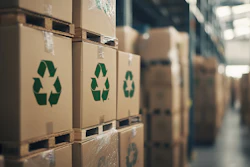
Procurement organizations can translate sustainability commitments into real supply chain action by implementing a structured policy built on the 5Rs framework and seven core principles: accountability, transparency, ethical behavior, human rights, environmental responsibility, lifecycle cost analysis, and continuous improvement. These principles guide daily purchasing decisions and help organizations reduce Scope 3 emissions, which represent the majority of total emissions for most companies.
- Scope 3 emissions account for the majority of total emissions for most companies, occurring across the value chain from purchased goods to transportation and end-of-life treatment.
- The 5Rs framework prioritizes decisions in order: Refuse harmful materials, Reduce consumption, Reuse products, Repurpose materials, and Recycle responsibly.
- Seven core principles guide sustainable procurement: accountability, transparency, ethical behavior, human rights, environmental responsibility, lifecycle cost analysis, and continuous improvement.
- A procurement sustainability policy bridges enterprise-level sustainability goals with everyday purchasing decisions, preventing greenwashing and ensuring consistent implementation.
- Procurement should work cross-functionally with engineering, product development, and operations teams to identify practical ways to reduce environmental impact through material selection and design optimization.
Procurement’s role in sustainability has been growing for years. Today, that role carries even greater weight as organizations look for practical ways to turn sustainability commitments into action across the supply chain.
In September, the United Nations Environment Program (UNEP) reported that global temperatures are set to exceed the 1.5°C threshold, likely within the next few years. It was sobering news, but not a reason to step back. UNEP’s message was that the world must limit both the extent and duration of the overshoot, with immediate and sustained action playing a critical role.
For businesses, that puts renewed attention on where meaningful change can happen. Procurement has an important part to play.
Sustainability is already a priority for many procurement organizations. Enhancing ESG initiatives is often cited by supply chain leaders as a top enterprise priority. The challenge now is translating that intent into the everyday decisions that shape the supply chain. That is where a procurement sustainability policy becomes important.
Procurement leads the charge
A significant share of an organization’s environmental impact can sit outside its own operations, across the suppliers, materials, transportation, and activities that make up its value chain.
Scope 3 emissions are a good illustration. These emissions occur across a company’s value chain, both upstream and downstream, from purchased goods and services to transportation, product use and end-of-life treatment. For many companies, Scope 3 represents the majority of total emissions, meaning significant opportunities for improvement sit beyond their own operations and across the broader supply chain.
For procurement, these emissions can be connected to activities such as:
- the production of materials, components and products being purchased
- the capital goods needed to manufacture or source those products
- transportation and distribution
- the treatment and disposal of waste
- other supplier and value-chain activities associated with purchased goods and services
Procurement may not control all these activities directly, but it can influence many of the decisions behind them. The suppliers an organization chooses, the requirements written into contracts, the materials specified, and the questions asked during sourcing all have an impact. Procurement can also use supplier evaluations and ongoing performance management to encourage better sustainability practices throughout the supply base.
The opportunity extends beyond supplier management. Procurement is increasingly working alongside engineering, product development, operations, and packaging teams to find practical ways to reduce environmental impact. That might mean choosing more sustainable materials, simplifying specifications, reducing packaging, designing products for repair or end-of-life, or standardizing designs to reduce material waste and inventory.
But individual initiatives only take an organization so far. For sustainability to become part of the way procurement operates, people need a common set of expectations to guide their decisions.
Building an effective sustainability strategy for procurement
Many organizations already have sustainability goals. What they do not always have is a clear connection between those enterprise-level goals and the decisions procurement professionals make every day.
A procurement sustainability policy makes that connection. It can define what the organization expects from suppliers, what sustainability criteria buyers should consider during sourcing, how those expectations should be reflected in contracts, and how procurement will balance sustainability alongside cost, quality, risk, and service. The policy also needs to be practical enough to use and clear enough to be applied consistently across procurement decisions.
One approach we have found valuable in our conversations with procurement organizations is to build purchasing decisions around the 5Rs:
- Refuse: Avoid harmful, non-recyclable or unnecessary materials, components, and products where viable alternatives exist.
- Reduce: Look for opportunities to buy and consume less, eliminate unnecessary specifications, and consolidate demand or deliveries.
- Reuse: Choose materials, products, packaging, and equipment that can be used multiple times rather than discarded after a single use.
- Repurpose: Find new uses for products or materials that have reached the end of their original purpose.
- Recycle: Ensure end-of-life materials can be responsibly recovered and returned to productive use wherever possible.
The order of the 5Rs matters. Procurement should not begin by asking how something can be recycled if the organization could have avoided purchasing it in the first place. That is why the earlier decisions matter. Challenging demand, reconsidering specifications, and evaluating alternatives before a sourcing decision is made can have a greater impact than trying to address waste after the fact.
The 5Rs, however, are only part of an effective policy. They need to be supported by seven principles that help procurement teams apply them consistently and responsibly.
1. Accountability: Procurement should take responsibility for the environmental and social implications of the decisions within its influence. This includes being willing to challenge purchases that clearly conflict with company standards and examining whether suppliers’ sustainability practices align with the organization’s expectations.
2. Transparency: Organizations should be clear about their procurement policies, supplier expectations, progress and risks. Employees, suppliers, customers and other stakeholders should be able to understand what the organization expects and how it is progressing.
3. Ethical behavior: Sustainability cannot be separated from how business is conducted. Procurement decisions should be grounded in honesty, fairness and integrity, both internally and throughout supplier relationships.
4. Human rights: Environmental performance is only one dimension of sustainability. Procurement teams should consider labor practices, working conditions, and responsible business practices when evaluating suppliers and managing supply-chain risk.
5. Environmental responsibility: Sustainability considerations should be built into sourcing decisions, from reducing carbon and waste to supporting circularity and limiting the use of hazardous materials.
6. Lifecycle cost: Purchase price tells only part of the story. Looking at total cost of ownership can help procurement consider maintenance, energy use, durability, disposal, and other costs over the full life of a product or service.
7. Continuous improvement: A sustainability policy should evolve. Supplier capabilities change, new materials and technologies become available, regulations develop, and business priorities shift. Procurement needs to review its approach regularly and raise expectations as the organization matures.
These principles turn sustainability commitments into practical expectations for procurement. They also help guard against greenwashing by ensuring that what an organization says about sustainability is reflected in how purchasing decisions are actually made.
Changing the future starts now
For procurement leaders, the starting point is understanding where the organization stands today. Establish a baseline, identify the categories and suppliers where procurement can have the greatest impact, and set ambitious, measurable goals for where the organization wants to be over the next five years.
A sustainability policy provides the bridge between that current state and those longer-term goals, giving procurement a practical way to make incremental progress through the decisions it makes every day. The 5Rs can guide decisions around consumption and materials, while the seven principles provide the guardrails for making those decisions responsibly.
Sustainability should not sit apart from cost, quality, risk, innovation, and supply continuity. It should become part of how procurement evaluates suppliers, shapes specifications, structures contracts, and makes purchasing decisions.
A policy alone will not create a more sustainable supply chain. What matters is how that policy changes the decisions procurement makes every day. That is how sustainability commitments become supply chain action, extending procurement’s influence beyond the function itself and contributing to better outcomes for the business, the supply chain and the planet.