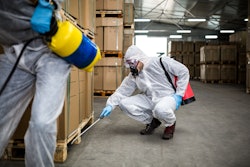
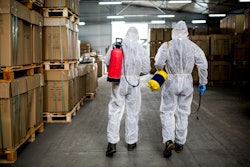
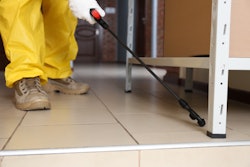
Most warehouses run on precision. Every pallet transport, every shipment, and every delivery window is optimized down to the minute. But what happens when uninvited guests start disrupting operations from the inside out? Rodents, cockroaches, stored product pests, flies, and birds aren’t just a nuisance; they threaten product integrity, employee health, brand reputation, and your bottom line. Pest management is a core operational priority, so if you don’t have a plan in place, it’s critical to implement one before it’s too late.
High ceilings, multiple loading dock entry points, consistent warmth, and stored goods all create ideal conditions for pest populations to take hold and grow undetected. The good news is that a proactive approach to pest management can help protect the facility, products, and people.
Who's moving into your facility?
Understanding which pests are most likely to infiltrate your operations is the first step toward keeping them out.
· Rodents: Rats and mice are among the most destructive warehouse pests. Norway rats and house mice, common throughout many regions, actively seek out the food, water, and shelter that storage facilities provide. And once in, they can multiply very quickly.
· Cockroaches: These resilient, fast-moving insects can squeeze through the smallest gaps and thrive in dark, cluttered spaces while contaminating anything they walk on, making warehouses an ideal environment.
· Stored product pests: Beetles and moths of various types, which feed on dry food ingredients and products, may be transported into your facility – and be re-distributed quickly as inventory is moved about. A single introduction can result in infestation throughout the entire building.
· Flies: Organic waste, standing water, and open drains attract flies and allow their populations to grow rapidly, turning a minor nuisance into a widespread contamination risk.
· Birds: Sparrows, pigeons, and starlings commonly roost in warehouse rafters and nest in building cavities such as ventilation shafts, pipes, and chimneys. They often go unnoticed, but damage from their nests, their droppings, and the birds themselves is already done.
More than a mess: The real risks pests pose to operations
In addition to reputational risk, pests cause real, measurable damage across multiple areas of your operation:
- Structural and equipment damage: Rodents gnawing on electrical wiring is a documented fire hazard, and bird droppings are corrosive to roofing materials and machinery. These are expensive repairs that can trigger unexpected downtime.
- Product contamination: Pest activity can compromise product integrity and trigger costly recalls or shipment rejections, which can eventually lead to lost contracts.
- Pathogen spread: Cockroaches, flies, rodents, and birds all carry and transmit pathogens. Dried bird waste alone can transmit histoplasmosis when disturbed. Bird droppings can also introduce listeria into the water supply. In facilities that handle food or pharmaceutical products, this can have serious regulatory and liability consequences.
- Operational disruption: Pests can mean downtime. And in the supply chain world, downtime at your facility means products aren’t moving, and therefore, not generating revenue.
The strategy: Taking an integrated approach
Reacting to a pest problem after it surfaces is costly and disruptive. A more effective strategy is a proactive, layered approach built on the principles of Integrated Pest Management, or IPM.
IPM is an environmentally responsible approach to pest management that focuses on combining the lowest-risk treatment strategies to address current pest pressures while working to help prevent future infestations. Rather than defaulting to treating the visible symptoms, IPM draws on a wide range of techniques, such as monitoring, exclusion, sanitation improvements, and targeted treatments. The result is a plan tailored specifically to your facility, your pest pressures, and your industry.
For warehouse and manufacturing operations, working closely with a pest management professional to develop and maintain a customized IPM program can help reduce chemical use while still effectively managing pest activity. The right partner will also help ensure you are always prepared for supplier verification audits and compliance requirements.
Taking action: Practical tips for warehouse pest prevention
The following strategies can help make a facility less attractive to pests and help keep them from getting inside in the first place.
1. Seal and secure the facility: Regularly inspect and seal gaps around loading dock doors, pipes, utility penetrations, and foundation cracks. And don’t overlook office windows; they often have gaps around rubber weather seals that can be closed with caulk. Install door sweeps on all exterior doors, replace torn or missing vent screens, and work with your local pest management professional to install bird exclusion measures in high-risk areas.
2. Clean up exterior attractants: Remove debris, standing water, and overgrown vegetation from the building perimeter. Keep dumpsters sealed and positioned away from entrances to help reduce pest harborage near access points. Rats especially like unused equipment that will conceal their foraging along building foundations.
3. Tighten interior sanitation: Clean up spills promptly, maintain sanitary, covered floor drains, and rotate stock regularly to disturb potential nesting sites and keep storage areas inspectable. Expired and damaged food products should be removed from the premises.
4. Inspect early and often: Examine incoming shipments and cargo for signs of pest activity before they enter the facility. For example, an unusually high number of the same kind of beetle or fly inside pallet wrap indicates a potentially infested item on the pallet. Conduct regular walkthroughs of storage areas, paying close attention to dark corners and wall voids.
5. Monitor and document proactively: Install monitoring stations near walls and entry points and consider remote monitoring technology that provides real-time alerts and trend data. Electronic monitoring program datasets expedite rodent elimination. Also, schedule routine inspections with your pest management professional, including pre-audit walkthroughs, to catch issues before they escalate.
The right partner makes all the difference
Even the most diligent in-house sanitation and maintenance program isn’t immune to pests. Consulting with a qualified pest management professional, especially one with experience in warehouse and manufacturing environments, is one of the most effective steps a facility manager can take. A strong partnership with a pest management professional means you're not just reacting to problems; you're anticipating them, documenting them, and building a defensible record for compliance purposes.
The best time to address a pest problem is before it becomes one. With the right strategies, the right tools, and the right professional partner, your facility doesn't have to be an easy target.